Curiosity

The world will never starve for want of wonders; but only for want to wonder.

G.K. Chesterton

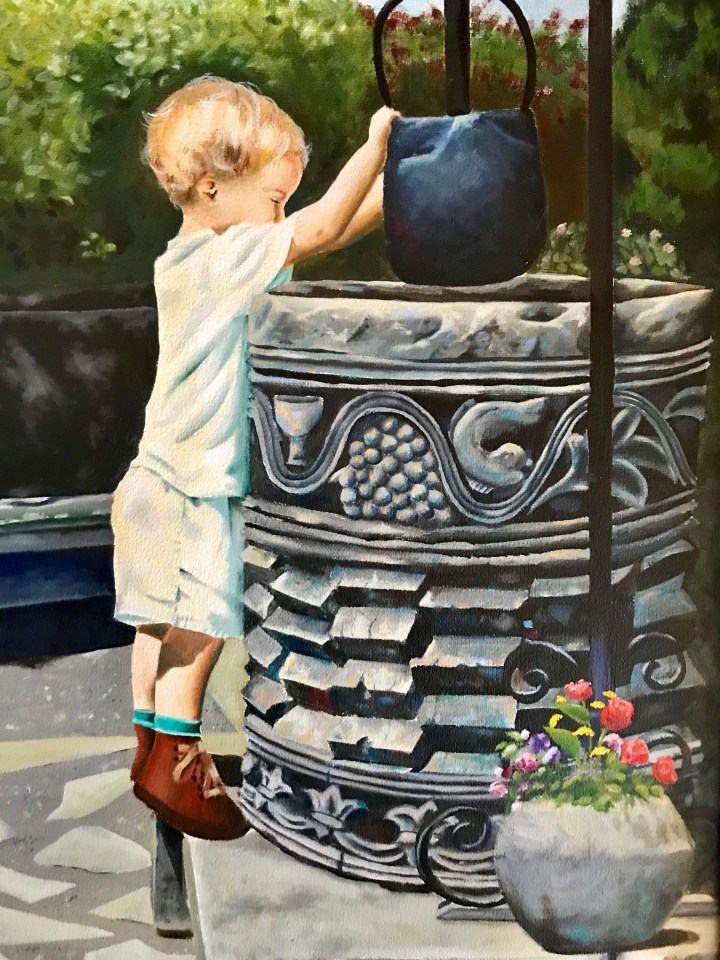
A lack of curiosity is a form of suffering. We are created in the image of God, with the personality traits God possesses. This means that humans, in our unwounded state, are naturally curious. We observe this in babies and small children. They begin by looking, then licking and exploring by mouth, and touching whatever is interesting. We can continue to do more mature forms of exploration all of our lives if curiosity is not disowned.

Curiosity connects us with God. But curiosity can go underground if we experience trauma. A person cannot stop and explore if something deadly is threatening. We can also disown our natural sense of wonder if we are shamed, scolded or devalued for being curious, especially if this happens early in life. We can quell our sense of wonder if we fear we will be rejected if we aren’t like others. We can choose to conform and be accepted or take a risk of rejection and find vistas of abundant life we didn’t know were possible.

If our natural state of wonder is not present in our relationship with God, it is impoverished and lacks many dimensions. Our prayer life is flat, and lacks the richness we can share with God if we bring our entire selves to Him. We miss out not only what we can bring to God, but also in what God has to show us and share with us in His perfect creativity. Most tragically, we have very limited awareness of God, since to really know God, we must seek Him, and curiosity drives the search.

As with most healing, we start by acknowledging the problem of a lack of imagination and ask God’s help in repairing our deadened curiosity. If we have trauma in our lives, getting therapy can help open the way for new and amazing ways of thinking, as well as healing the wounds that limit us and harm our growth.

If we need an example to remind us what curiosity looks like, study how a small child goes through the day. Everything from the roundness of a pea, to how a car lock works, to a dog is worthy of examination and delight. Even their approach to God is full of innocence, trust and curiosity.

Jesus said, “Let the little children come to me, and do not hinder them, for the kingdom of God belongs to such as these. I tell you the truth, anyone who will not receive the kingdom of God like a child will never enter it.” Luke 18:16,17 (NIV). Like a child, let us be curious about God and find the joy that children know.
The Free Will Mystery that Compels me to God

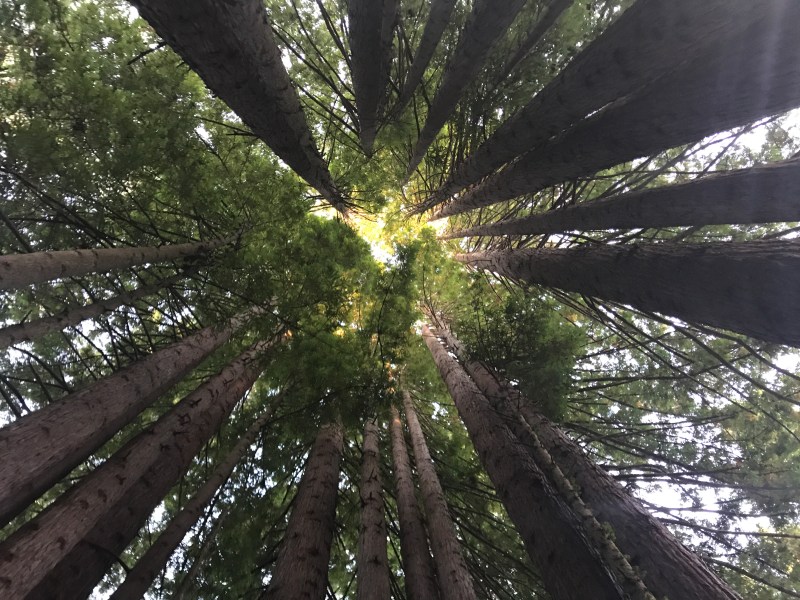
As a curious four year old, laying on my back on the grass of my front yard, I tried to look as far into the sky as I could and see if  I could get a glimpse of God. I never saw the white bearded grandfatherly giant I looked for, no matter how hard I scanned and squinted. So I formulated my first theology.

 Rather than decide that God is not involved with humans, I decided that his fat fingers vanished when they hit the atmosphere of earth.  We were controlled by God but we thought we were acting of our own free will, and we were too dumb to know the difference.   This theology was heavily informed by my experience of playing with Barbie dolls. I figured that like me as the Master and Controller of my dolls, and they passively did whatever I dictated, and in the same way we were putty in God’s hands.

I longed for my dolls to respond in some way independent of my directives.  Maybe they would have a little party going on when I came back to my bedroom. Maybe they would dress themselves for once and save me the trouble. I wondered if God felt the same, and liked it when we acted of our own volition. So just to entertain God and show him I had a mind of my own I would periodically do things that were out of character, for me and for most people—things weirder than just eating paste, one of the more typical childhood weirdnesses. I would make up new words, or walk backwards or draw and name creatures that didn’t exist. I still don’t know how God felt about this but my family still calls me “weird”.

As I grew I realized my four year old questions are the same as those of the most educated theologians for centuries—the mystery of free will versus predestination.  I read passages in the  Bible that point toward God’s involvement in our will like Proverbs 21:1 (NIV), “in the Lord’s hand the King’s heart is a stream of water that he channels toward all who please him.” 

On the other hand. The Bible points out our free will, like in Galatians 5:13 (NIV) which says, ”you, my brothers and sisters, were called to be free. But do not use your freedom to indulge the flesh; rather serve one another humbly in love.” This implies we have choices and are responsible for the decisions we make.

So I still don’t know the answer to these questions despite a lifetime of research, college, seminary and the rough and sometimes delightful classroom of life. But I still lay on my lawn and look toward heaven trying to find God. This is a blog about my search for truth, wisdom and joy by relationship with God. I don’t have answers to my theological questions but I do know I have grown in love, joy and peace in God as I traverse my inner and outer life. I am writing this to invite you to ponder God in ways that may help you cope in times of suffering and to open yourselves to love, peace and immense joy.